
Keizer Transmission Blog

Your vehicle’s transmission is designed to handle many thousands of miles of shifting, but the way you drive can have a significant impact on how well it performs and how long it holds up. While transmission problems can develop because of age and standard wear, certain driving habits can place unnecessary stress on transmission components. By understanding these habits and making a few adjustments, you can help reduce wear and potentially avoid costly repairs. Here are four common ways drivers contribute to transmission issues. Ignoring Transmission Fluid Problems Transmission fluid lubricates internal components, helps manage heat, and supports proper shifting. Driving with low or degraded fluid can increase friction and heat inside the transmission. Drivers sometimes ignore fluid leaks or put off recommended transmission service. Addressing fluid problems promptly and following the manufacturer’s maintenance recommendations can help protect the transmission. Shifting Between Drive/Reverse Before Coming to a Complete Stop Frequently shifting between reverse and drive while the vehicle is still moving can put significant stress on transmission components. For example, quickly switching from reverse to drive without stopping completely can cause unnecessary strain. Taking a moment to bring the vehicle to a full stop before changing directions allows the transmission to engage more smoothly. Towing or Hauling Beyond Recommended Limits Using a vehicle to tow or haul loads beyond its recommended capacity can generate excessive heat and place additional strain on the transmission. Even when operating within the vehicle's rated capacity, demanding driving conditions can increase transmission temperatures. Drivers should follow the manufacturer's towing and hauling guidelines and use appropriate equipment when necessary. Delaying Repairs/Ignoring Warning Signs Unusual shifting, slipping, delayed engagement, strange noises, and transmission warning lights should not be ignored. Continuing to drive while a transmission problem is developing can allow a relatively manageable issue to become more severe. Promptly having the vehicle inspected can help identify the underlying problem and potentially prevent additional damage. Transmission Service in Salem, OR For expert transmission service in Salem and the surrounding area, contact Keizer Transmission at (503) 512-0903 . Feel free to give us a call to schedule an appointment for transmission repair or maintenance in greater Salem, OR!

Your vehicle's transmission relies on clean fluid to lubricate moving components, regulate temperature, and ensure smooth gear changes. When a transmission fluid leak develops, the problem can quickly affect performance and lead to serious internal damage if it’s ignored. Even a small leak can reduce fluid levels enough to cause excessive wear and overheating. Recognizing the warning signs of a transmission fluid leak early can help you schedule repairs before a minor issue becomes a major transmission problem. At Keizer Transmission, we provide expert transmission fluid leak detection and repair in the greater Salem, OR area. Here are four signs that your vehicle may need transmission fluid leak repair. Red Fluid Puddles Under Your Vehicle One of the most noticeable signs of a transmission fluid leak is finding fluid underneath your vehicle. Transmission fluid is typically red or reddish-brown, although it may become darker as it ages. If you see a puddle or spots on your parking space, it’s important to have the source identified. Leaks can come from damaged seals, worn gaskets, transmission pans, fluid lines, or other components that require professional attention. Difficulty Shifting Gears Low transmission fluid levels can make it difficult for your transmission to operate properly. You may notice delayed shifting, hesitation when changing gears, slipping between gears, or rough transitions while driving. Because transmission fluid provides hydraulic pressure needed for smooth operation, a leak can prevent the transmission from engaging gears correctly. Addressing the leak promptly can help prevent additional damage to internal transmission components. Burning Smell While Driving Transmission fluid helps control heat and reduce friction inside the transmission. When fluid levels become too low due to a leak, increased friction can cause the transmission to overheat. Overheated transmission fluid may produce a noticeable burning smell while driving. If you detect unusual odors coming from your vehicle, it’s important to have the transmission inspected before overheating causes more severe damage. Whining or Grinding Noises Unusual noises coming from the transmission area can indicate that fluid levels are too low. Without enough lubrication, internal parts may suffer increased friction and wear, resulting in whining, grinding, humming, or other abnormal sounds. These noises often become more noticeable as the problem progresses. A technician can determine whether the cause is a fluid leak or another transmission-related issue. Transmission Fluid Leak Repair in Salem, OR For expert transmission repair in Salem, OR and the surrounding area, contact Keizer Transmission at (503) 512-0903 . Feel free to give us a call to schedule an appointment for transmission repair or maintenance in greater Salem!

Your automatic transmission is responsible for transferring power from the engine to the wheels while shifting gears smoothly and efficiently. Because it contains numerous moving parts that rely on proper lubrication and hydraulic pressure, even minor problems can quickly develop into major repairs if ignored. Recognizing the early warning signs of transmission trouble can help you address issues before they become more serious. At Keizer Transmission, we provide expert automatic transmission repair in the greater Salem, OR area. Here are four common signs of automatic transmission trouble. Delayed or Rough Shifting In many instances, one of the earliest signs of transmission trouble is hesitation when shifting between gears. You may notice a delay when moving from park into drive or reverse, or experience hard, jerky shifts while accelerating. These symptoms can result from low transmission fluid, worn internal components, or other problems that require professional diagnosis. Transmission Slipping A slipping transmission occurs when the vehicle unexpectedly changes gears or struggles to stay in the correct gear. You may notice the engine revving higher than normal without a corresponding increase in speed. Transmission slipping should never be ignored because it often indicates internal wear or insufficient hydraulic pressure that can worsen over time. Unusual Noises Healthy automatic transmissions generally operate quietly. If you begin hearing whining, humming, grinding, or clunking noises, the transmission may have worn bearings, damaged gears, or other internal problems. Unusual noises are often an indication that professional inspection is needed. Transmission Fluid Leaks Automatic transmissions rely on the proper amount of clean transmission fluid to lubricate internal components and maintain hydraulic pressure. If you notice red or reddish-brown fluid beneath your parked vehicle, your transmission may have a leak. Common leak sources include transmission pan gaskets, lines, and transmission seals. Prompt repairs help prevent low fluid levels and additional damage. Automatic Transmission Repair in Salem, OR For expert transmission repair in Salem and the surrounding area, contact Keizer Transmission at (503) 512-0903 . Feel free to give us a call to schedule an appointment for transmission repair or maintenance in Salem!

Learn to spot CV joint issues like clicking noises & leaks. Contact us for expert repair services at Keizer Transmission in Salem.

Learn about critical transmission issues like slipping gears & fluid leaks. Contact Keizer Transmission for expert repair services today!
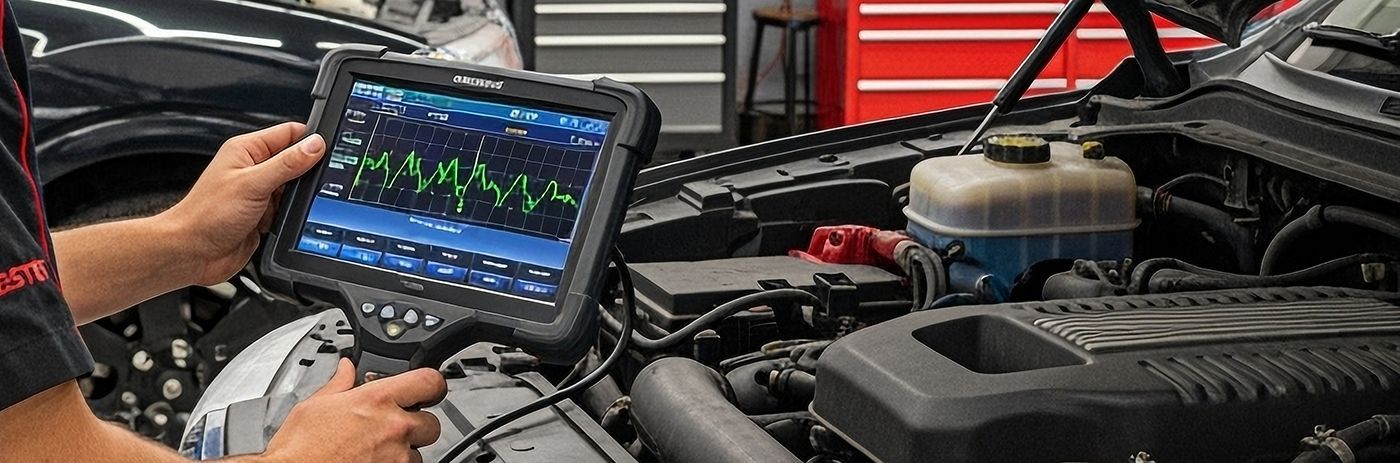
Learn 5 ways to prevent costly transmission repairs. Schedule your maintenance today for a smooth-running vehicle!

Get expert answers on transmission fluid leaks. Understand causes & signs. Contact Keizer Transmission for prompt repairs today!
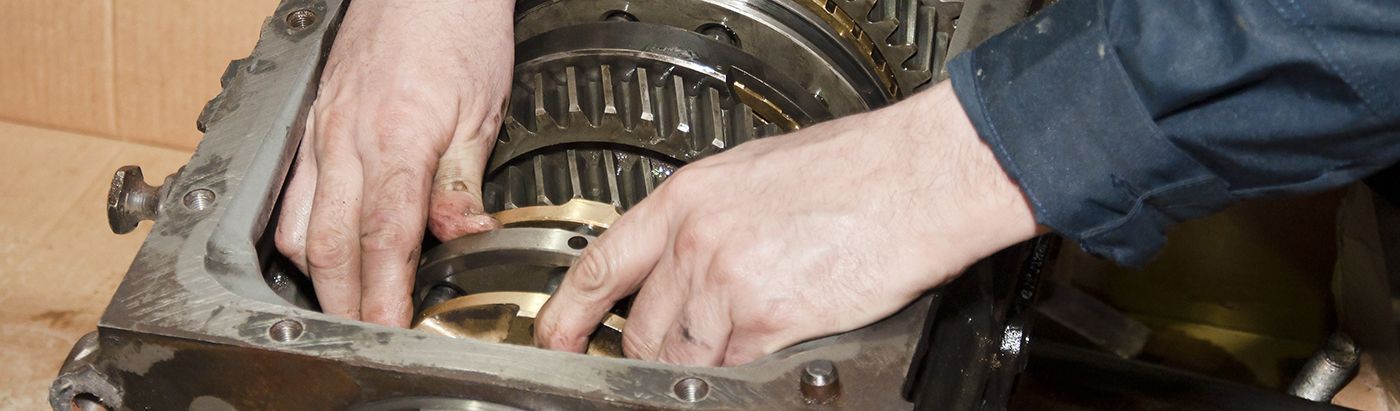
Get expert answers on automatic transmission repair. Contact us to schedule your service today!
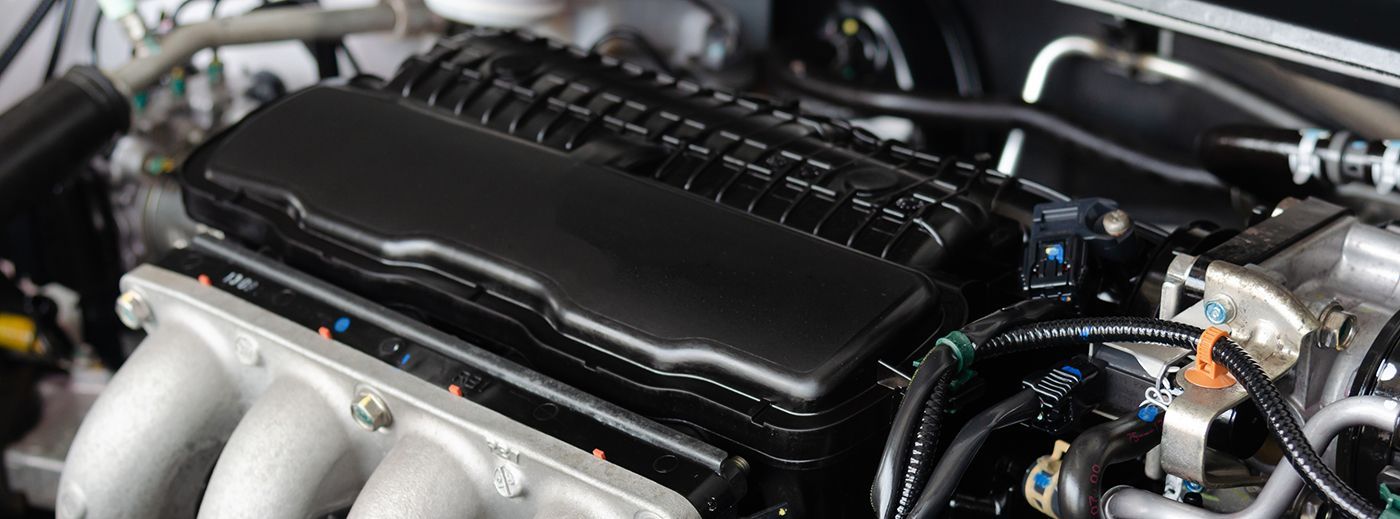
Learn about common sources of transmission fluid leaks. Call us for expert repair & maintenance services today!